Preview · autumn and winter 2026–2027
From tall to relaxed
Shafts are getting longer, and boots are ready to be seen again.
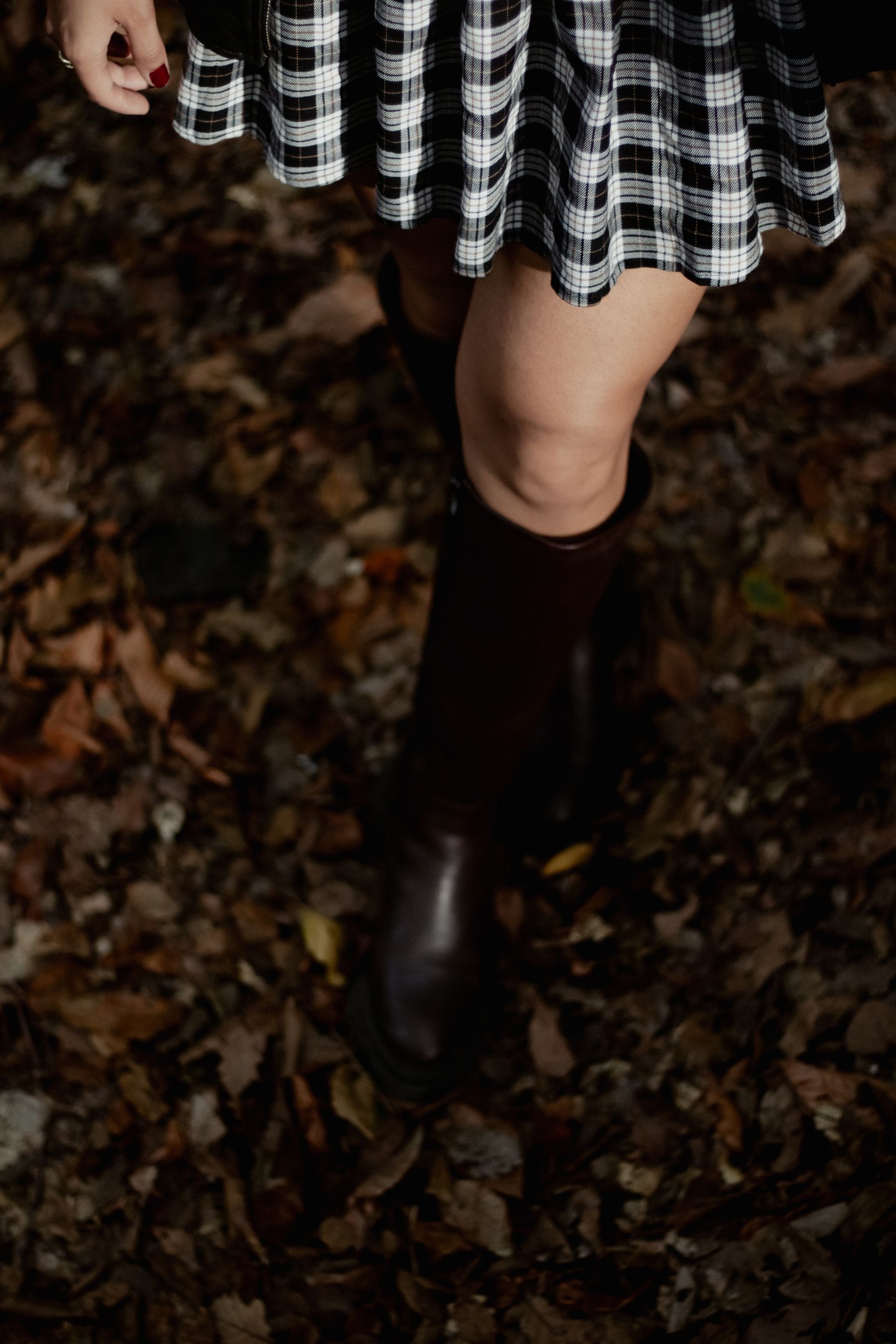
The new boot season does not follow a single direction. Sleek riding boots sit beside relaxed suede, while refined western styles share the stage with rugged buckled designs. One thing is clear: shafts are getting longer, and boots are ready to be seen again.
As the days shorten, boots naturally take on a greater role in the streets. Yet the coming season feels different. The dependable ankle boot is not disappearing, but it no longer has the spotlight to itself.
If you already own good riding boots, cowboy boots or biker boots, there is probably no need to buy anything new. The change often lies mainly in how they are worn.
01
The tall boot takes back its space
The clearest movement of the season is upwards. Knee-high boots remain important, while several designers extended the shaft over the knee or even to mid-thigh. Some fitted the leg closely; others were deliberately roomier.
Tall boots are not reserved for short skirts. Under a midi dress or long skirt, only part of the shaft is visible, creating a calm, continuous line. A flat design can also be worn over slim trousers.
The wearable version
- a knee-high shaft;
- a low or medium heel;
- little decoration;
- black, warm brown or cognac.
For everyday wear, the classic riding boot is the most accessible interpretation. It looks polished without becoming overly formal.
02
Slouch boots are folding again
Alongside the sleek shaft, an almost opposite shape is returning: the slouch boot. Leather or suede falls loosely around ankle and calf, creating visible folds. The style recalls the 1970s and the bohemian fashion of the early 2000s.
A slouch boot need not look untidy. In supple leather and a single colour, it can be highly elegant. Suede strengthens the soft character; smooth leather makes the form feel more modern. Beneath a long coat or a simple knitted dress, the boot brings movement.
A light patina suits this relaxed style. If a pair is still waiting in the wardrobe, it is ready to be worn again.
03
Toes become sharper
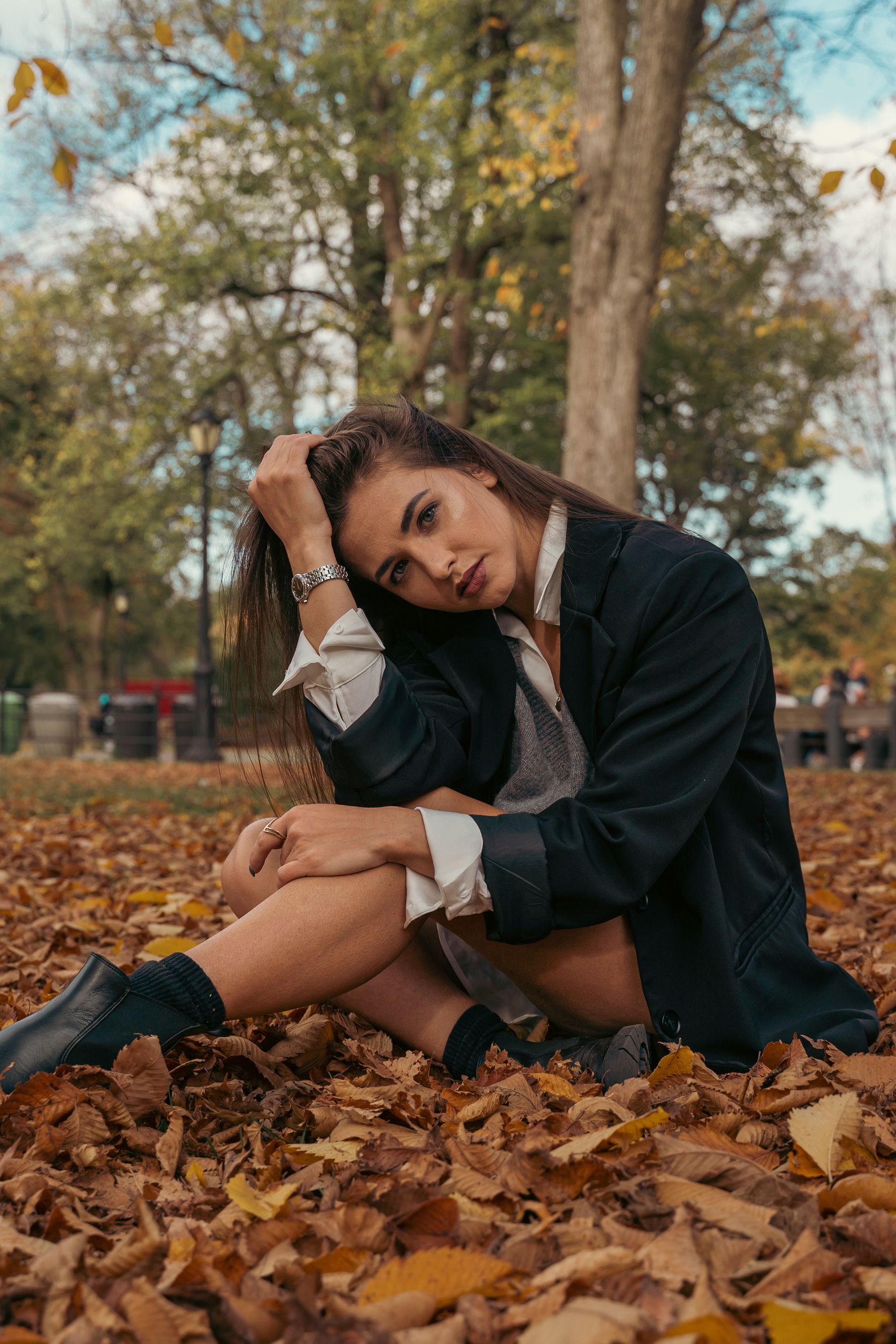
Rounded toes and chunky soles retain their place, but a sharper line is joining them. Pointed boots appeared in sober black versions as well as emphatic designs with a slender heel, laces or decorative buttons. Some made an unmistakable reference to the Victorian boot.
The wearable version is less theatrical: an ankle- or knee-high boot with an elongated toe and modest heel. Beneath wide trousers, only the point is visible. With a skirt or dress, the boot has a stronger influence on the silhouette.
Lacing across the instep or along the shaft makes the trend more romantic. A smooth, undecorated boot creates the same effect more quietly. The pointed toe already says enough.
04
The cowboy boot grows more refined
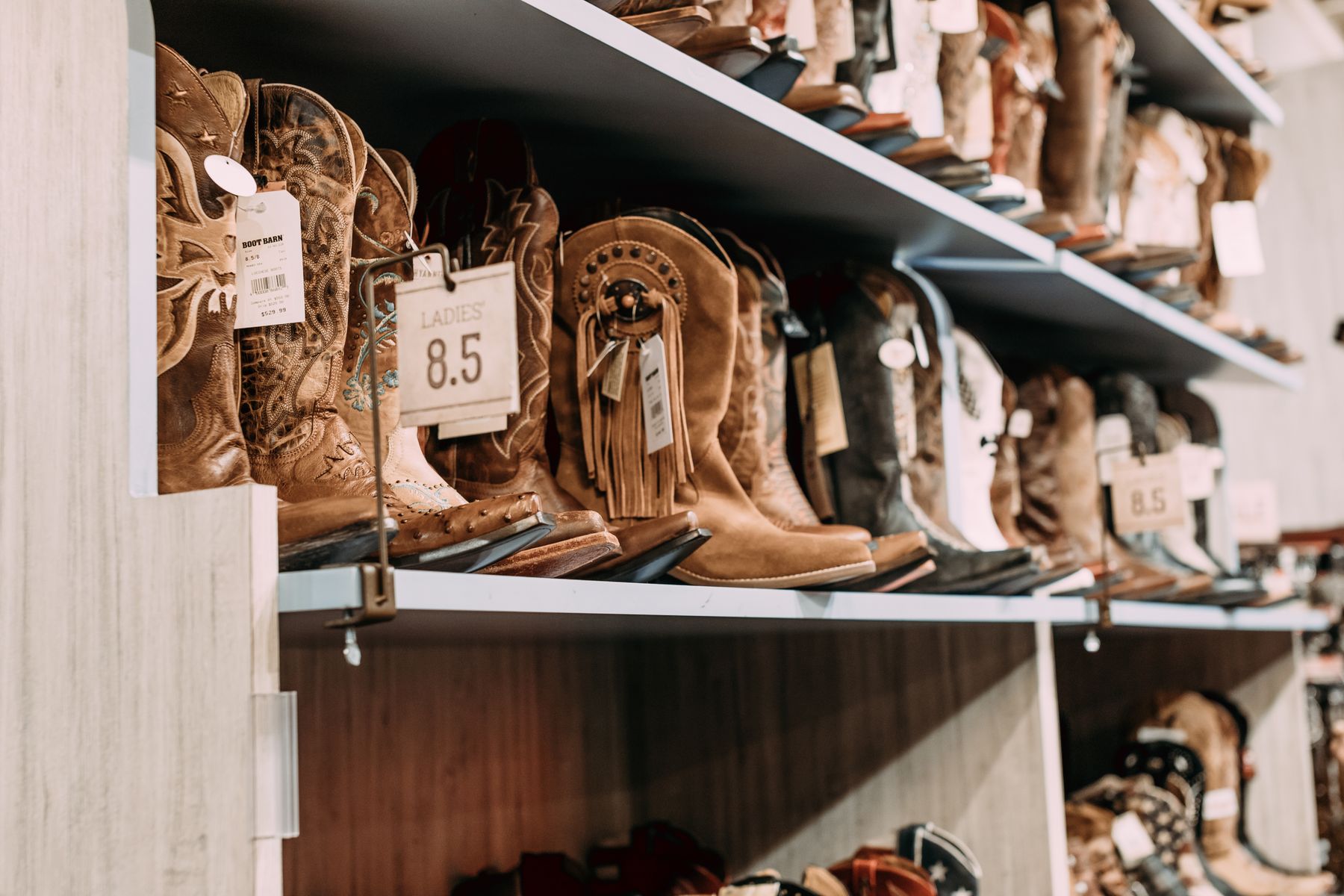
The western boot remains, but sheds some of its exuberance. Less embroidery, less contrast and a slimmer form: sometimes the reference survives only in an angled heel, a gently curved topline or a subtle pointed toe.
With straight jeans it becomes an everyday boot; with a long skirt it takes on a softer, bohemian character. All-black versions are appearing too, alongside chestnut, cognac and weathered brown.
Cowboy boots were already highly visible on the streets this summer. That makes them a natural bridge between seasons: first beneath an airy dress, later with denim, wool and a long coat.
05
Biker and riding boots move closer together
The biker boot remains recognisable by sturdy leather, a low heel and metal details. Yet it is becoming less heavy-handed. Some designs retain just one buckle or strap; from a distance, others almost resemble restrained riding boots.
The fusion creates a practical boot: tall enough for wet and cold weather, sturdy enough for daily wear and calm enough to sit beneath a smart coat. Black leather is the obvious choice, but cognac and dark olive soften the design.
For a more rugged effect, choose a wider shaft, visible buckles or a heavier sole. The contrast with a long skirt, soft knit or tailored trousers makes the biker boot more interesting than an outfit that is tough from head to toe.
Colour and material
From chestnut to winter white
Dark brown was already prominent, but the new browns are often a little lighter and warmer. Chestnut and cognac suit the return of riding and western boots, softening black, grey and denim.
Olive green also stands out. It is not a bright fashion colour, but an earthy shade that works almost as a neutral. At the other end are cream and winter white. A tall pale boot beneath a dark coat creates a graphic effect, although such colours require more care during a wet Dutch winter.
Suede remains important, especially in slouch and western boots. Smooth and high-gloss leather belong to the sleeker designs. Practical buyers will also look for a treaded sole and materials that can be protected against moisture.
06
Reptile effects and animal prints
The most conspicuous material trend is reptile. Snakeskin patterns and crocodile embossing appeared on both ankle- and knee-high boots. Zebra, leopard and other animal prints also remain visible.
These prints are not necessarily combined with yet more colour and decoration. Instead, they appear with simple clothes: a plain coat, a dark skirt or worn jeans. The boot becomes the single expressive element.
A fully printed tall boot is a statement. For greater subtlety, choose black or brown material with crocodile embossing alone. It looks calm from a distance and gains depth up close.
07 · The outsiders
Boxing, hiking and rain boots
Not every runway trend will conquer Dutch streets. Slim lace-up boxing boots climb to mid-calf, while fashion houses place chunky hiking boots beneath dresses and skirts.
Even the simple tall rubber boot appears with strikingly polished clothes. It reflects a broader idea: practical footwear need not be worn only for practical reasons. On a rainy day, it is also a trend the Dutch climate supports without effort.